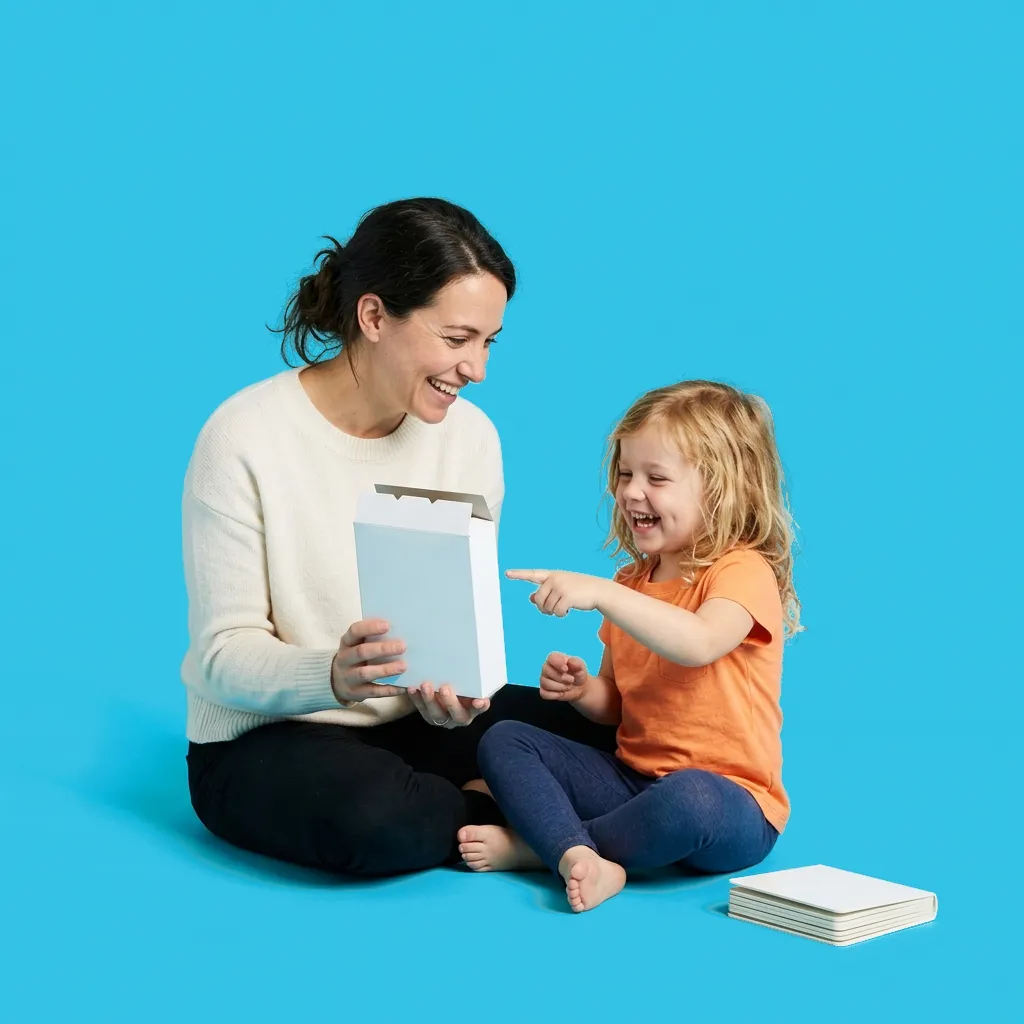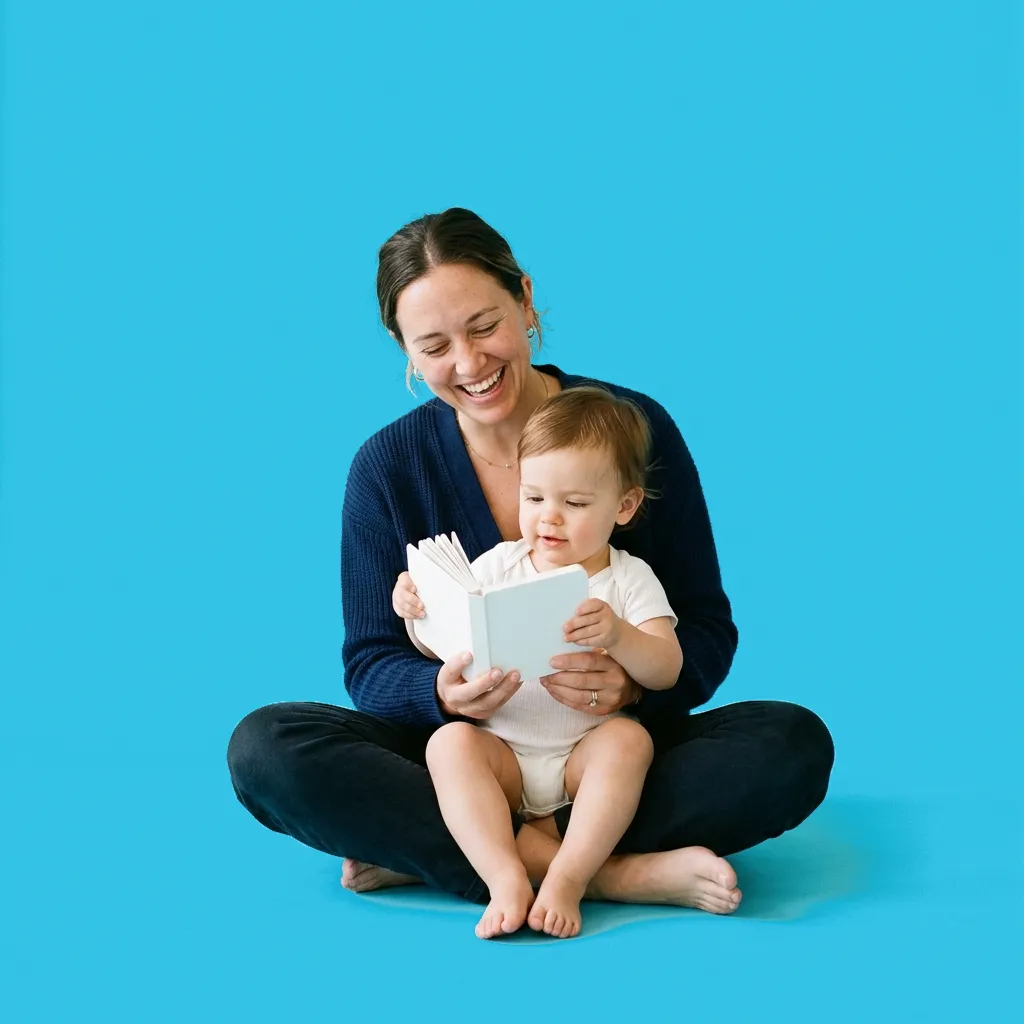
is it really reading if my three-year-old has memorized the book?
Yes, it counts. Reciting a memorized book is one of the first stages of reading, not a trick. Your child is matching the words they say to the pages they see, keeping the story in order, and turning pages at the right moment. Those are the same habits a reader uses later with print.
Teachers call this stage early or emergent reading. It looks different from sounding out words, but it is built from the same parts: knowing how a book works, knowing that the words stay the same each time, and wanting to do it alone.
When a three-year-old “reads” you a book they know by heart, do not correct them. Clap. That is the first chapter of reading.
what does early reading look like at three?
Early reading at three shows up in six common ways, and most children do some of them, not all. Here is what to watch for and what each one is quietly building.
| What you see | What it sounds like | What it builds |
|---|---|---|
| Picture reading | “The dog is running! He has the shoe!” | Telling a story from images, new words |
| Pointing | A small finger on the dog, the ball, the word | Linking what they hear to what they see |
| Turning pages | “My turn!” before every page | Knowing books go front to back, one page at a time |
| Retelling | “And then he hid it and Mommy said no” | Story order, memory, longer sentences |
| Reciting lines | Saying the repeated line before you do | Matching spoken words to the page |
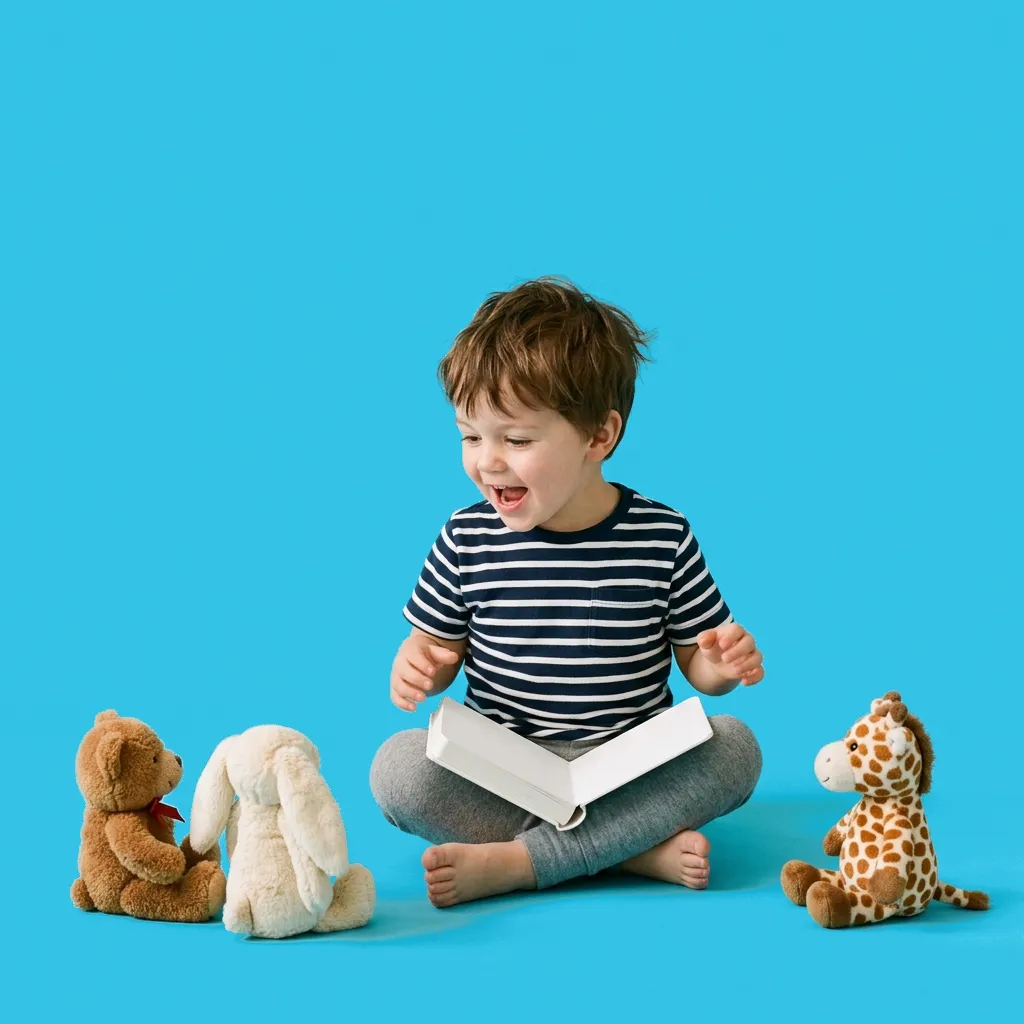
| Pretend reading | Reading to a stuffed bear or a baby sibling | Seeing themselves as a reader |
None of these need to look polished. A retelling with half the story missing still counts. So does a page read upside down, as long as your child is telling it.
why does pointing matter so much?
Pointing matters because it is how your child connects what they hear with what they see on the page. First they point at pictures. Later they start pointing at words, often by copying you. That shift from picture to print is a big step, and it usually happens without any lesson at all.
You can help by pointing as you read. Slide your finger under the repeated line now and then. You do not need to explain it. Children notice.
how should I respond when my child “reads” to me?
Respond like it is the best story you have heard all day, because for your child it is a big moment. Listen, react, and ask a question about the story. The goal at three is to make your child feel like a reader, not to get every word right.
Do
- Sit down and give the “reading” your full attention
- React to the story (“Oh no, he took the shoe!”)
- Name what they did (“You turned every page yourself”)
- Ask for an encore with a new listener, like Grandma on a video call
Don’t
- Don’t correct the words they change or skip
- Don’t say “You’re not really reading, you memorized it”
- Don’t test them on a word in the middle of their story
- Don’t rush them through to get to bedtime
what is the confidence loop?
The confidence loop is the cycle where a small success makes your child want to try again, and trying again leads to the next success. At three, confidence is the fuel. A child who feels like a reader picks up books on their own, and every one of those visits builds skill.
- 1
They try.
Your child “reads” a page, says a line, or names a picture.
- 2
You notice.
You stop what you are doing and look at them.
- 3
You name it.
“You read that whole page to me!” is specific and true.
- 4
They feel proud.
That “I did it” feeling is the payoff.
- 5
They come back.
Tomorrow they bring the book to you, or read it alone.
- 6
You stretch a little.
Pause on a new line, or ask a new question about the story.
That is the whole idea behind the books Elena and I make: give your child a first “I read it!” moment and let the pride do the rest. Experiences vary from child to child, and that is fine. The loop works at your child’s pace.
when does memorized reading turn into sounding out words?
Memorized reading usually turns into sounding out words once children learn letter sounds and how to blend them, which for many happens in kindergarten. Some children start earlier and some later. Both are normal.
What you do at three makes that step easier. A child who loves books, knows that print carries the story, and has heard thousands of words read aloud has a lot to build on. A 2019 Ohio State University study estimated that a child read one picture book a day hears about 296,660 words from books by age five (source: news.osu.edu/a-million-word-gap-for-children-who-arent-read-to-at-home/).
When your child is ready, short, playful letter-sound games are a gentle next step. Keep them light, keep them brief, and keep the read-alouds going.